- The Journal Entry
- Posts
- What is Private Equity?

What is Private Equity?
2 Min Read

Most investors are familiar with the Johannesburg Stock Exchange (JSE). You can buy shares in Capitec or Woolworths with a few clicks on a mobile app. Private equity operates in a different sphere. It is the world of significant business deals that happen behind closed doors. Access is restricted, the stakes are high, and the Patagonia vests are mandatory.
What is Private Equity?
Private equity firms pool money from institutional investors like pension funds and insurance companies. They use this massive pile of cash to buy companies that are not listed on a public exchange. Sometimes they buy a public company and "take it dark" by delisting it from the JSE.
This allows the management team to fix the business without the constant pressure of daily share price fluctuations. It is like doing a home renovation. It is much easier to tear down walls when the neighbors are not watching you through the window every five minutes.
Buy, Build, Sell
Private equity firms are not passive observers, they are owners that essentially become key members of management.
They focus on something called operational alpha, a concept which focuses on improving business efficiency.
They typically follow a three-step process:
Buy: They identify an undervalued or underperforming company.
Build: They cut unnecessary costs and introduce better technology. They might even merge the company with another one to create "synergies." This is the part where they "trim the fat," which is often a polite way of saying they make the company lean and mean. Often times, firms will also have key management members that they implement into portfolio companies
Sell: After several years (usually 5+), they look for an "exit” and sell the improved company to another corporation or list it back on the stock exchange for a massive profit, due to the value built through improved processes and overall efficiency.
Connecting to the Syllabus: The CA(SA) Lens
For those currently navigating the SAICA syllabus, private equity is most closely aligned with financial management and management accounting modules.
When a private equity firm buys a business, they often use a Leveraged Buyout (LBO) structure, a core concept in your finance modules. They use a small amount of equity and a large amount of debt to fund the purchase. The assets of the company being bought serve as collateral for that debt.
This strategy relies on the principle of gearing. By using debt, the firm magnifies the potential return on equity. If the company grows, the investors make a fortune. If the company fails, the debt makes the fall much harder. You might remember calculating the Weighted Average Cost of Capital (WACC) in your tutorials. In the world of private equity, optimising that capital structure is the primary way to create value.
Focuses on driving cash flow and efficiency in working capital management also become backbones of efficiency with regards to day-to-day operations. This focus helps boost attractiveness to investors as well as making sure the company can service the debt used to purchase it, and essentially “fund” its own purchase.
The Bottom Line
If you enjoy solving complex business puzzles and do not mind a few 2 AM spreadsheet sessions, this sector of the financial landscape might be your calling. Just remember to bring your own Patagonia vest so they let you in the club.
Until next week,
The Journal Entry Team
Find The Right Articles Program For You

The journey to those four letters CA(SA), is a long one, let’s not kid ourselves. We all know the high volume of coffee and library hours required to get there.
The last thing you want, is to spend your first working years at a firm that you don’t enjoy. You want to work somewhere that aligns with your specific skillset, because working in an environment you actually enjoy is important.
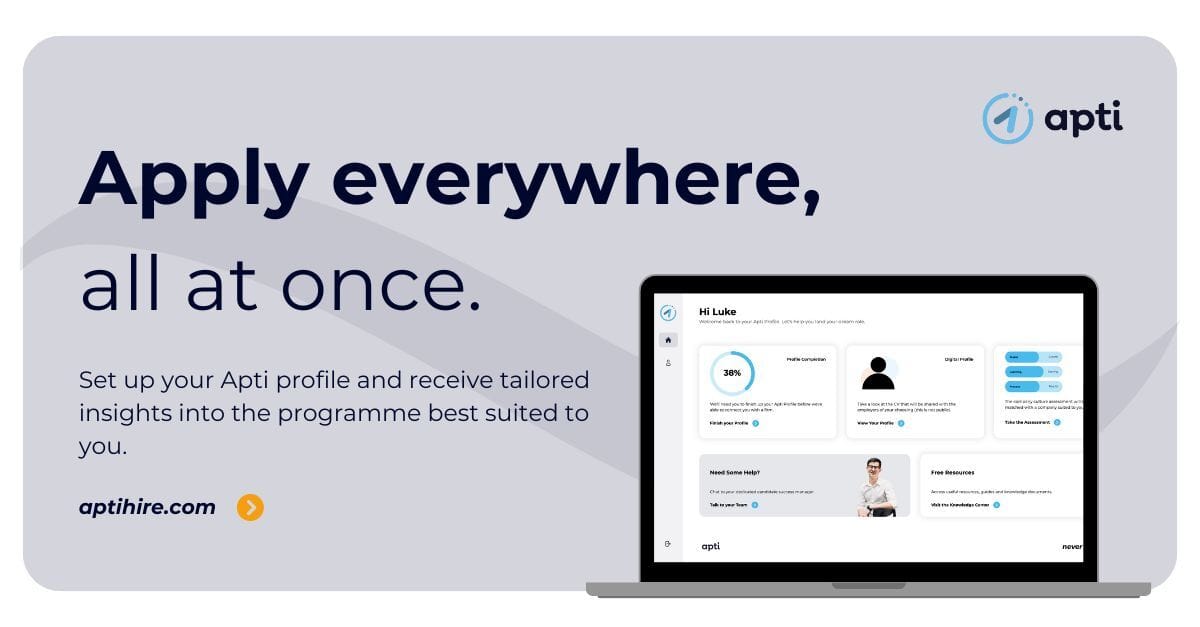
Aptihire helps students discover, apply for, and land their dream SAICA, SAIT & CIMA articles.
It is a free tool for students. It considers your unique personality and skills to provide tailored recommendations. This platform ensures you find a workplace where you can successfully turn your academic theory into practice.
If you enjoy our content we’d love it if you showed your friends and peers!
Please copy and paste this link to others:

Reply