- The Journal Entry
- Posts
- How Future CA(SA)s Should Look At The Impacts Of War On Markets
How Future CA(SA)s Should Look At The Impacts Of War On Markets

Xavier Prospero
March 03, 2026
How Future CA(SA)s Should Look At The Impacts Of War On Global Markets
2 Min Read
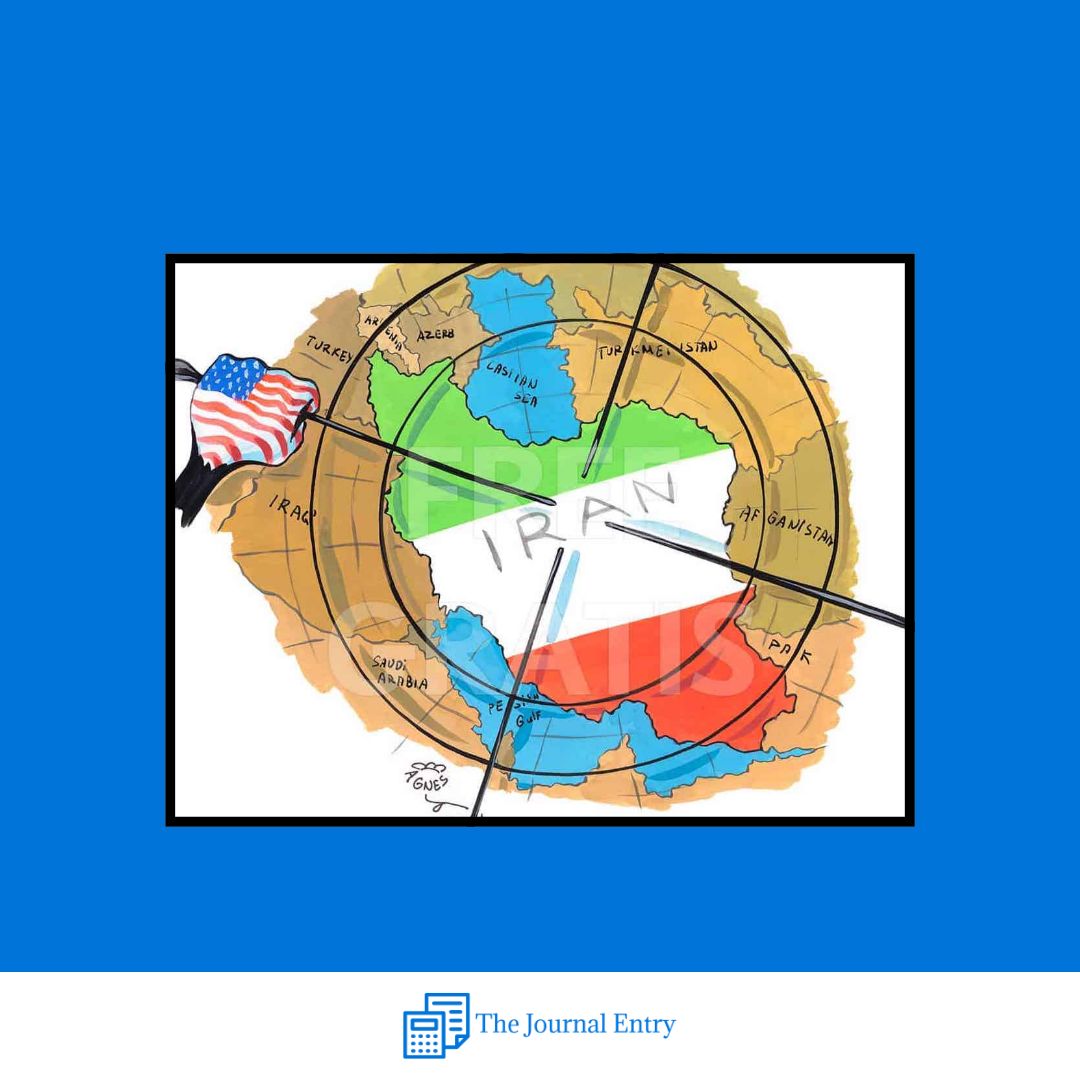
Iran is on fire, literally and figuratively.
Last week, the US and Israel launched coordinated strikes on Iran, and in a matter of days the Strait of Hormuz, the world's single most important oil chokepoint, had effectively shut down. About 20% of the world's daily oil supply stopped moving. Brent crude jumped towards $80 while the rand weakened and analysts started throwing around $120 per barrel price targets.
As a future CA(SA), what should you look at?

The Immediate Market Reaction: Oil
In conflict involving Iran, the most sensitive pressure point becomes energy.
Everything in this conflict connects back to oil. When the Strait of Hormuz is threatened, freight insurance premiums spike, tanker rates surge, travel routes are changed and Brent crude reprices. That price signal then travels through every import-dependent economy in the world including South Africa.
SA imports almost all of its crude oil requirements. So when the dollar oil price rises and the rand weakens simultaneously (which happens in every risk-off global event), the Basic Fuel Price shoots up at the pump.
In our country petrol moves nearly every product on every truck on every road in the country. This has a broad based inflation hit across all sectors.
In essence: macro → oil supply disruption → rand depreciation → fuel price increase → CPI increase → SARB pauses rate cuts → consumers stay squeezed.
That chain is your job to understand and communicate.
The Interest In Interest
SA's Reserve Bank was in the middle of a rate-cutting cycle. With a prime lending rate still sitting at 10.25%, the SARB was starting to offer some relief to heavily indebted households. This conflict pauses that.
If oil-driven inflation picks up and the rand stays weak, the MPC will not cut. It may even need to hike. That means the cost of borrowing stays high which is bad news for business investment, household consumption, and the housing market.
For CA(SA) students going into audit or advisory: every company you'll ever work with has interest rate exposure.
Their valuations, their debt covenants, their cash flow models all carry assumptions about the rate environment. When war changes those assumptions, the numbers need to change too.
The Silver Lining
Not everything moves against SA. Gold surged past $5,400 per ounce as investors fled to safe havens.
SA is the world's 9th largest gold producer. Higher gold prices in rand terms are a direct boost to mining revenue and JSE resources counters. Sasol, an energy-linked company, also benefits from elevated oil prices.
This is the nuance future CAs need to hold simultaneously, a crisis can hurt the economy and lift parts of the equity market at the same time.
What A Future CA(SA) Should Actually Be Doing With This
Connect macro to financial statements → Oil shocks affect cost of sales, transport provisions, and impairment calculations.
Understand hedging → Commodity futures, FX forwards, and interest rate swaps are what CFOs use to protect margins when oil moves 20% in a week.
Keep Updated on the SARB → Forward guidance on the interest rate environment your future clients will operate in.
Watch the rand, not just the news → The USD/ZAR rate is one of the single best real-time indicators of South Africa's economic risk sentiment.
Roundup
The Iran-US/Israel conflict is unfolding in real time, and every day it runs, it's moving oil prices, currency markets, interest rate expectations, and the financial position of South African businesses.
For a future CA(SA) the job is to cut through that noise.
Until next week,
The Journal Entry Team
Find The Right Articles Program For You
The journey to those four letters CA(SA), is a long one, let’s not kid ourselves. We all know the high volume of coffee and library hours required to get there.
The last thing you want, is to spend your first working years at a firm that you don’t enjoy. You want to work somewhere that aligns with your specific skillset, because working in an environment you actually enjoy is important.
Aptihire helps students discover, apply for, and land their dream SAICA, SAIT & CIMA articles.
It is a free tool for students. It considers your unique personality and skills to provide tailored recommendations. This platform ensures you find a workplace where you can successfully turn your academic theory into practice.
If you enjoy our content we’d love it if you showed your friends and peers!
Please copy and paste this link to others:

Reply